Mastering the Buyer Closing Checklist for Real Estate
The final stretch of a property transaction is often the most stressful phase for everyone involved. For agents, it is a test of organization; for buyers, it is a leap of faith; and for sellers, it is the finish line they have been waiting to cross. A Buyer Closing Checklist for Real Estate serves as the critical roadmap that guides all parties from the signed contract to the handing over of keys. It is not merely a list of tasks but a strategic tool designed to prevent costly oversights, reduce anxiety, and ensure a seamless transfer of ownership.
While the core components of closing remain consistent—financing, inspections, and legal reviews—the way different people engage with this checklist varies significantly. Understanding these nuances helps in selecting the right format and approach, whether you are a seasoned broker managing fifty transactions a year or a first-time homebuyer navigating the market alone.
Why This Tool Matters Across Different Roles
The value of a structured closing process extends beyond simple task management. It acts as a communication bridge. When expectations are clearly outlined in a visual or written format, misunderstandings diminish. However, the priorities shift depending on who is holding the checklist.
For real estate professionals, the primary concern is often brand reputation and efficiency. A disorganized closing can damage an agent's referral network instantly. Therefore, they look for tools that offer flexibility and professional presentation. They need a Buyer Closing Checklist for Real Estate that can be customized to match their branding, ensuring that every document sent to a client reinforces their identity as a meticulous expert.
Conversely, first-time buyers prioritize clarity and reassurance. They are often overwhelmed by industry jargon and complex timelines. For them, the checklist is an educational resource. They need to see exactly what comes next, why it matters, and when it needs to happen. A cluttered or overly technical document can increase their stress, whereas a clean, easy-to-read layout provides a sense of control.
Tailoring the Experience for Creators and Educators
In the modern digital landscape, real estate content creators and educators also find unique uses for these templates. Bloggers and influencers who teach about homeownership often need visual aids to explain the closing process to their audiences. A static text list rarely performs well on social media or in video tutorials.
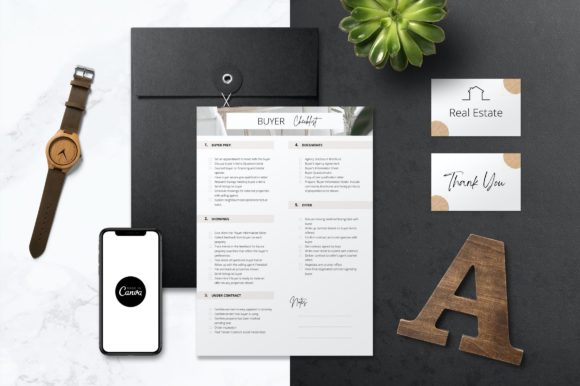
These creators benefit immensely from editable formats, such as those found in design platforms like Canva. By using a template that allows for changes in images, colors, fonts, and elements, they can transform a standard administrative document into engaging content. They might resize the graphic for an Instagram story, change the background color to match their channel's aesthetic, or highlight specific steps in a tutorial video. The ability to download in various formats like PNG, SVG, JPG, or PDF ensures that the content looks crisp whether it is viewed on a mobile screen or printed as a handout for a workshop.
Evaluating Priorities: Speed, Quality, and Flexibility
When selecting or creating a closing checklist, different users weigh factors differently. There is no single "best" version; there is only the version that best fits the specific project type and skill level.
- Speed and Efficiency: Busy agents and small business owners often lack the time to design documents from scratch. For them, the immediate availability of a pre-built template is the highest priority. Instant download capabilities and instructions that allow for customization in a few clicks save priceless hours that can be reinvested in client care.
- Visual Presentation: Marketers and brand-conscious entrepreneurs focus heavily on aesthetics. A generic, black-and-white list may function logically, but it fails to impress. These users look for templates where they can adjust the BG color and resize elements to create a premium feel that justifies their service fees.
- Ease of Use: Beginners and hobbyists, such as those helping a family member buy a home, need simplicity. Complex software with steep learning curves is a barrier. Tools that are free to use online and intuitive to edit lower the entry threshold, allowing non-designers to produce professional-looking results.
- Long-term Usefulness: Professionals who plan to use the checklist repeatedly value versatility. A template that comes in standard sizes like 8.5 x 11 inches but can be resized for A4 or digital screens offers better long-term value than a rigid, fixed-format document.
Practical Applications for Various Users
Consider a freelance real estate consultant working with international clients. They might need to adapt a standard checklist to include currency conversion notes or specific visa-related contingencies. With an editable template, they can simply add a text box or swap an icon to reflect these unique requirements without hiring a graphic designer.
On the other hand, an educator running a seminar on "Buying Your First Home" might use the checklist as a interactive worksheet. They could print the PDF version for attendees to fill out during the session, using the clear structure to guide the group through a mock closing scenario. The inclusion of an instruction PDF ensures that even those less tech-savvy can prepare the materials correctly before the event.
It is important to note that while templates provide the structure, the content must remain accurate. Most downloadable templates do not include specific stock images for the final print, encouraging users to insert their own photos or local market imagery. This requirement actually benefits the user by forcing personalization, which makes the document more relevant to the specific transaction at hand.
Making the Right Choice for Your Needs
Determining whether a specific Buyer Closing Checklist for Real Estate matches your goals requires an honest assessment of your current workflow. If you are struggling to keep track of deadlines and constantly answering the same questions from anxious clients, a visual checklist is likely the solution. It shifts the burden of memory from the human mind to a reliable system.
If you are a creator looking to expand your content library, ask yourself if your current tools allow for easy resizing and format variation. If you are spending hours reformatting documents for different platforms, switching to a flexible, cloud-based editing tool can streamline your creative process.
Ultimately, the goal is confidence. Whether you are an agent wanting to feel more secure in your client interactions, a buyer wanting to understand the path ahead, or a marketer wanting to produce high-quality visuals, the right checklist bridges the gap between confusion and clarity. By leveraging tools that offer both structural integrity and creative freedom, you ensure that the closing process is not just a procedural hurdle, but a positive culmination of everyone's efforts.
Remember, the best tool is the one that gets used. A perfect checklist hidden in a complicated file format is useless. Prioritize accessibility, editability, and clarity to ensure that when the big day arrives, the only thing left to do is sign on the dotted line and celebrate the new beginning.