Evaluating Peg Board Display Stands Laser Files for Custom Organization Projects
For crafters, small business owners, and DIY enthusiasts looking to optimize workspace organization or retail presentation, the concept of a pegboard display stand offers significant versatility. When this physical product is paired with digital laser cutting files, it transforms from a static storage solution into a customizable asset that can be tailored to specific inventory needs. Understanding what Peg Board Display Stands Laser files entail, how they function within a fabrication workflow, and where they fit among other organizational solutions is essential before committing to a purchase or a project timeline.
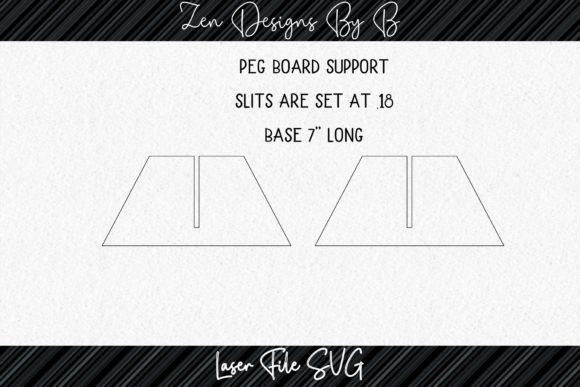
At its core, a laser file for a pegboard display stand is a vector-based design intended for use with CO2 or fiber laser cutters. Unlike pre-manufactured plastic or metal stands found in big-box stores, these digital templates allow the user to control the material, dimensions, and aesthetic finish of the final product. The term "Peg Board Display Stands Laser" specifically refers to designs engineered to interface with standard perforated boards, utilizing slots or holes that align with pegboard hooks or the board's grid itself. This distinct approach allows for modular systems where shelves, risers, and holders can be rearranged as inventory changes.
Digital Templates Versus Pre-Fabricated Solutions
When evaluating options for display hardware, the primary decision lies between purchasing ready-made units and sourcing digital files for self-fabrication. Ready-made solutions offer immediate convenience; they are shipped fully assembled or with minimal setup required. However, they often come with limitations regarding size, color, and load-bearing capacity. They are mass-produced to fit average needs, which may not suit specialized items like handmade jewelry, oversized tools, or irregularly shaped crafts.
In contrast, utilizing Peg Board Display Stands Laser files shifts the production burden to the user but grants total creative control. This approach is particularly advantageous for those who already have access to laser cutting equipment or have established relationships with local makerspaces and fabrication services. The trade-off here is time and technical skill. While a pre-made stand works out of the box, a laser file requires the user to source appropriate materials—such as birch plywood, acrylic, or MDF—and execute the cutting process. For individuals without laser access, the "instant download" model implies an additional step of finding a service bureau, which can affect the overall cost-benefit analysis compared to buying a finished product outright.
Material Considerations and Aesthetic Outcomes
One of the most compelling arguments for using laser-cut designs is the ability to select materials that match a specific brand identity or home decor style. Pre-fabricated displays are frequently limited to generic black wire, clear plastic, or standard white finishes. With a laser file, a user can choose natural wood tones for a rustic boutique feel, high-gloss acrylic for a modern tech look, or colored MDF for a playful children's section.
However, material choice directly impacts the structural integrity of the display. Thin acrylic might look sleek but could bow under the weight of heavy items. Conversely, thick plywood provides durability but may require more powerful laser settings and longer cut times. When reviewing Peg Board Display Stands Laser templates, it is crucial to check if the designer has specified recommended material thicknesses. A file optimized for 3mm acrylic will not function correctly if cut from 6mm wood without adjustments to slot widths. This necessity for technical alignment highlights a key limitation: the user must possess or acquire knowledge about material properties and laser kerf (the width of the cut made by the laser) to ensure parts fit together snugly.
File Formats and Software Compatibility
A critical, often overlooked aspect of purchasing digital fabrication files is software compatibility. The market offers various vector formats, with SVG (Scalable Vector Graphics), DXF (Drawing Exchange Format), and AI (Adobe Illustrator) being the most common. The product description notes that SVG is included, which is a widely supported format compatible with many design programs including Inkscape, Cricut Design Space, and Adobe Illustrator. However, professional laser software like LightBurn or CorelDRAW often prefers DXF or AI files for precise path control.
Before acquiring any Peg Board Display Stands Laser file, users must verify their workflow. If a crafter relies solely on a silhouette cutter for paper crafts, an SVG file might work for prototyping but may lack the precision layers required for industrial laser cutting. Furthermore, the note that "fonts used are not included" is a standard disclaimer in the digital design community. It means that if the display stand includes decorative text or branding elements, the user must either own the specific font license, substitute it with a similar typeface, or convert the text to outlines (paths) before cutting. Failure to address this can result in missing characters or layout errors during the fabrication process.
Scalability and Customization Potential
The inherent advantage of vector files is scalability. Unlike raster images that pixelate when enlarged, SVG files can be resized infinitely without losing quality. This allows a user to take a standard Peg Board Display Stands Laser design and scale it up to create a large floor-standing unit or scale it down for a compact desk organizer. This flexibility is unmatched by physical products. For small business owners whose inventory fluctuates seasonally, the ability to quickly iterate and produce new shelf heights or hook spacings provides a long-term value that justifies the initial learning curve.
Nevertheless, scaling is not always linear. Enlarging a design might require adding internal supports or bracing to prevent sagging, especially when using lighter materials. Users should treat downloaded files as a starting point rather than a final blueprint if they intend to significantly alter dimensions. Those unfamiliar with structural engineering principles may find that a simply scaled-up version fails under load, necessitating a trial-and-error approach that consumes both material and time.
Assessing the Right Fit for Your Project
Deciding whether to proceed with a laser-cut solution depends heavily on your current resources and goals. If you are a hobbyist with a home laser cutter looking for a weekend project to organize your garage, Peg Board Display Stands Laser files are an excellent resource. They provide a structured design that eliminates the need to draft complex joinery from scratch, allowing you to focus on material selection and finishing.
Similarly, for entrepreneurs launching a pop-up shop or an Etsy store, these files offer a way to create cohesive, branded displays without the high minimum order quantities typically required by custom manufacturers. You can produce ten units today and twenty more next month as needed, keeping overhead costs variable rather than fixed.
Conversely, if you lack access to cutting equipment, do not wish to learn vector editing software, or need a solution immediately for a one-time event, purchasing a finished product is likely the more pragmatic choice. The "instant download" nature of these files delivers the design immediately, but the physical object only exists after you have processed the file. Additionally, if your project requires complex curves or 3D forms that exceed the capabilities of 2D laser cutting, alternative manufacturing methods like 3D printing or CNC routing might be more appropriate, though they come with their own file format requirements and cost structures.
Making an Informed Decision
Ultimately, the value of Peg Board Display Stands Laser files lies in the balance between effort and customization. They empower users to break free from the constraints of mass-produced organization tools, offering a pathway to unique, tailored solutions. However, this empowerment comes with the responsibility of managing the fabrication process. By carefully evaluating your software capabilities, material access, and structural needs, you can determine if this digital route aligns with your project requirements. For those willing to invest the time to learn the workflow, the result is a highly functional, aesthetically pleasing display system that perfectly fits its intended purpose.