Elevate Your Outlook with Professional Email Signatures
In the fast-paced world of digital communication, your email signature is often the final touchpoint in every conversation. It serves as a digital business card, a branding opportunity, and a subtle yet powerful tool for establishing authority. For professionals using Microsoft Outlook, finding a balance between aesthetic appeal and technical compatibility can be challenging. This is where a well-crafted Email Signature Template for Outlook becomes an indispensable asset. Unlike generic text-based sign-offs, these templates offer a structured, visually engaging way to present your contact information, social links, and brand identity without requiring advanced coding skills or graphic design expertise.
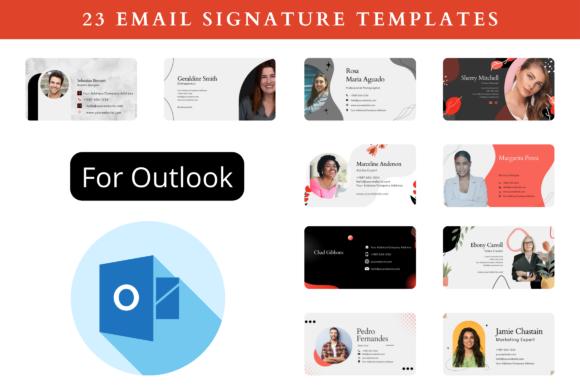
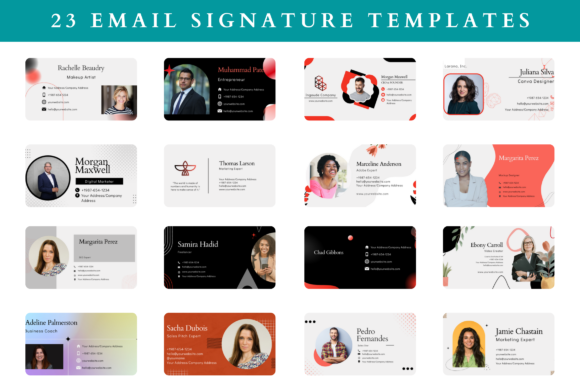
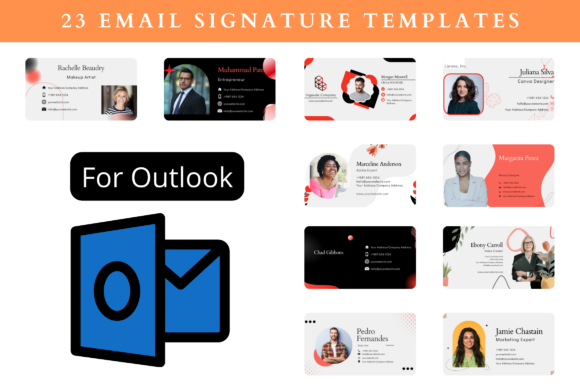
The visual characteristics of a high-quality signature template go beyond simple layout. They embody a sense of order, clarity, and professionalism. A premium template typically utilizes a clean grid system to align headshots, logos, and text elements harmoniously. The style often leans towards modern minimalism, ensuring that the focus remains on the content rather than distracting decorative elements. Whether you prefer a bold, corporate look or a softer, creative vibe, the right template adapts to your personal brand's personality. The overall appeal lies in its ability to look native within the Outlook environment while standing out enough to be memorable. When recipients see a polished signature, it subconsciously signals attention to detail and credibility, reinforcing trust before they even reply to your message.
Strategic Applications Across Industries and Platforms
While primarily designed for email clients, the utility of these templates extends far beyond the inbox. The underlying design principles—clear hierarchy, balanced whitespace, and legible typography—are universal. For entrepreneurs and small business owners, these templates provide an immediate upgrade to client communications, making solo ventures appear as established entities. Marketers and content creators can leverage them to drive traffic to recent blog posts, podcast episodes, or social media channels by incorporating clickable icons and call-to-action buttons seamlessly.
In the realm of brand identity, consistency is key. Using a standardized signature across your team ensures that every external communication reinforces the same visual language. This is particularly vital for agencies and publishing houses where multiple staff members interact with clients daily. The templates are versatile enough to suit various sectors. A real estate agent might prioritize a large, high-resolution headshot and direct phone links, while a graphic designer might opt for a portfolio link and a minimalist logo placement. Even in editorial design or packaging design contexts, the skills used to arrange these signature elements translate to creating cohesive marketing collateral. Because the templates are built with flexibility in mind, they work equally well for internal memos, client proposals, and newsletters, ensuring your brand perception remains uniform across all touchpoints.
Furthermore, the adaptability of these designs supports both digital and print applications. While the primary use case is digital, the high-resolution assets included in premium packs allow you to extract elements for printed letterheads or business cards. This cross-platform functionality means you aren't just buying an email fix; you are investing in a set of design assets that support your broader marketing strategy. Whether you are crafting social media graphics or refining your web design contact page, the structural logic of a good signature template offers a reliable foundation for organizing information effectively.
Enhancing Readability and Audience Engagement
The effectiveness of any communication tool hinges on readability, and email signatures are no exception. A cluttered or poorly formatted signature can confuse recipients or, worse, end up in spam filters. Premium templates address this by employing a clear visual hierarchy. Important details like your name and title are given prominence through size and weight, while secondary information like addresses or disclaimers are subdued but accessible. This structure guides the reader's eye naturally, ensuring they absorb the most critical information first.
Typography plays a pivotal role in this process. Although Outlook has limitations regarding custom font embedding, these templates are optimized to use web-safe fonts that render consistently across devices. The choice of typeface influences the tone of your message; a clean sans serif font conveys modernity and efficiency, ideal for tech startups, while a classic serif font might better suit legal or financial professions seeking to project tradition and stability. Some creative packages even incorporate script fonts or handwritten fonts for signatures, adding a personal touch that humanizes digital interactions. However, the key is restraint. Overusing decorative display fonts can hinder legibility, especially on mobile screens where many users read their emails.
Engagement is another critical metric. A professional signature invites interaction. By strategically placing social media icons or a "Book a Meeting" button, you lower the friction for recipients to connect with you on other platforms. The psychological impact of a polished signature should not be underestimated; it fosters recognition and makes your brand feel more tangible. When audiences perceive professionalism, they are more likely to engage with your content, trust your recommendations, and view you as an authority in your field.
Practical Customization and Design Workflow
One of the most significant advantages of using a Premium Email Signature Template For Outlook is the ease of customization. Gone are the days of wrestling with HTML tables or hiring a developer for minor tweaks. With tools like Canva, the barrier to entry is incredibly low. These templates are designed to be intuitive, allowing you to swap images, adjust colors, and modify text in minutes. The typical workflow involves downloading the template pack, which usually includes an instructions PDF, sample signatures, and editable links.
Inside Canva, you have full control over every element. You can resize the canvas to fit specific requirements, though the standard 400 x 200 px is optimized for most email clients. Changing the BG Color to match your company's brand palette is as simple as clicking a color swatch. Uploading your own logo or headshot replaces the placeholders instantly. The flexibility extends to fonts and elements; if your brand guidelines specify a particular modern typography style, you can easily switch the template's default fonts to align with your standards. This level of control ensures that the final output feels bespoke rather than generic.
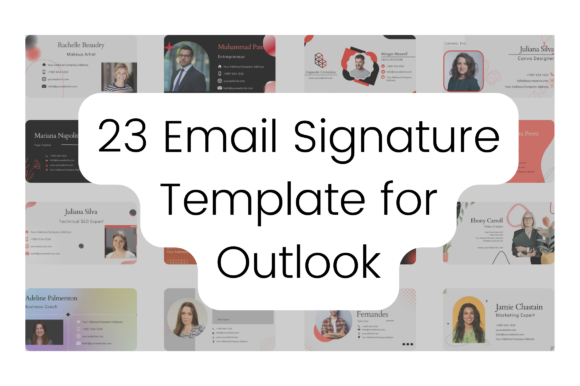
When choosing a template, consider your specific project fit. Evaluate the included styles to see if they offer the variety you need. A robust pack, such as one containing 23 different templates, provides options for different departments or campaign types within the same organization. Testing font pairings is also crucial; ensure that the heading font complements the body text without creating visual noise. Always review the license terms, especially if you plan to use these designs for commercial projects or client work. Most premium templates come with commercial licenses, granting you the freedom to use them in logo design concepts or broader branding initiatives without additional fees.
Finally, remember that simplicity saves time. Pre-built templates eliminate the guesswork, allowing you to focus on the content of your emails rather than the formatting. Whether you are a hobbyist looking to polish your personal correspondence or a seasoned marketer managing multiple campaigns, these tools streamline your workflow. By exporting your final design in formats like PNG, SVG, JPG, or PDF, you ensure compatibility and quality. The result is a professional, engaging email signature that builds authority and connects with your audience effortlessly, proving that sometimes the smallest details make the biggest difference.